

Have you ever wondered how car insurance premiums are calculated? It’s not uncommon to find yourself in conversations with friends who have similar age and driving history, only to discover that each of you is paying vastly different premiums for what seems like comparable coverage. So, what factors come into play when insurance companies determine your auto insurance premium? Let’s explore some of the key elements that can influence the cost of your coverage.

  • Gender, Age & Marital Status: Insurance companies consider factors such as gender, age, and marital status when calculating premiums. Statistically, certain age groups and genders may be associated with higher or lower risks, affecting the cost of insurance.
  • Past Driving History: Your past driving history plays a significant role in determining your premium. Insurance companies assess your record for any accidents, traffic violations, or claims you may have made in the past. A clean driving history generally results in lower premiums, while a history of accidents or violations may lead to higher rates.
  • Claim History: Insurance companies also consider your claim history. If you have a track record of filing numerous claims, particularly for at-fault accidents, it could impact your premium. Being seen as a higher-risk policyholder can result in increased rates.
  • Zip Code: The area where your vehicle is garaged, commonly referred to as your zip code, is another influential factor. Insurance companies analyze local factors, such as crime rates, population density, and accident statistics, which can vary from one location to another. Living in an area with a higher risk of accidents or theft may lead to higher premiums.
  • Credit Score: Believe it or not, your credit score can affect your car insurance premium. Insurance companies may use credit-based insurance scores to assess the likelihood of a policyholder filing a claim. Those with better credit scores are often considered lower risk, potentially resulting in lower premiums.
  • Commute Distance: The number of miles you commute on a daily basis can impact your premium. Longer commutes generally mean more time on the road, increasing the likelihood of accidents or damage. Consequently, insurance companies may adjust your premium based on your estimated annual mileage.
  • Multi-Policy Discounts: Insurance companies often provide discounts for policyholders who bundle multiple insurance policies with the same carrier. If you have home or renters insurance, combining it with your auto insurance under a single provider can lead to potential savings.
  • Current Insurance Status: Whether you are currently insured or have had a lapse in coverage can affect your premium. Continuous insurance coverage is often viewed favorably by insurance companies, while a lapse may be seen as a higher risk.
  • Desired Coverage: The types of coverage and the limits you choose for your auto insurance also impact the premium. Opting for higher coverage limits or additional optional coverages will likely result in a higher premium.
  • Previous Insurance Policy: Insurance companies may consider the limits and coverage you had on your previous insurance policy when calculating your premium. If you had higher coverage limits in the past, it may be factored into your current premium.
  • Vehicle Type and Age: The type and age of the vehicle you drive can affect your premium. Insurance companies take into account factors such as the safety features, theft rates, and repair costs associated with your vehicle. Newer and more expensive vehicles may generally have higher premiums due to increased repair costs.

Insurance companies analyze these factors, among others, to determine a premium that aligns with your risk profile and helps ensure profitability for the company. While it may be challenging to predict exactly what you will pay each year, there are steps you can take to increase your chances of getting a great rate and excellent coverage.

One effective strategy is to reach out to a local independent insurance agent. Independent agents represent multiple insurance companies, allowing them to provide you with comparison quotes from

Enjoy a National Park road trip with these top park suggestions

Embarking on a road trip to explore the natural wonders of our National Parks is an adventure that promises breathtaking landscapes and unforgettable experiences. The United States is renowned worldwide for its remarkable collection of 63 National Parks, with fourteen of them proudly holding the distinction of being UNESCO World Heritage Sites (WHS). Whether you’re a nature enthusiast seeking tranquility or an avid traveler yearning for new horizons, here are the top five most visited National Parks that you should consider for your road trip itinerary:

Great Smoky Mountains National Park (WHS):

Welcoming nearly 10 million visitors annually, the Great Smoky Mountains National Park is a haven for outdoor enthusiasts. Immerse yourself in the splendor of ancient mountains, vibrant wildflowers, and diverse plant life. Enjoy captivating hikes to enchanting destinations such as Rainbow Falls, Charles Bunion, Alum Cave Bluffs, and Andrews Bald.

Grand Canyon National Park (WHS):

With its awe-inspiring grandeur, the Grand Canyon beckons over 5.5 million visitors each year. Marvel at the vastness and vibrant colors of this geological wonder as you stand at its rim. Explore hiking trails that lead to hidden gems, revealing the immense beauty of one of the world’s most iconic landscapes.

Rocky Mountain National Park in Colorado:

Unleash your sense of adventure in this captivating national park, offering 450 miles of pristine streams and 150 breathtaking lakes. Don’t miss the opportunity to visit Bear Lake and traverse the famous Trail Ridge Road, which offers stunning vistas and a chance to witness the park’s diverse wildlife.

Yosemite National Park (WHS):

Renowned for its towering granite cliffs, magnificent waterfalls, and ancient forests, Yosemite National Park is a nature lover’s paradise. Marvel at the majestic beauty of the glacier-carved Yosemite Valley, witness the sheer power of waterfalls like Yosemite Falls, and be humbled by the presence of giant sequoias.

Yellowstone National Park (WHS):

As the first designated National Park in the world, Yellowstone holds a special place in history and the hearts of nature enthusiasts. Drawing in nearly 4.1 million annual visitors, this park spans across three states—Montana, Idaho, and Wyoming—and boasts an extraordinary array of geysers, lakes, and captivating wildlife.

Embarking on a journey to one of these remarkable National Parks is a cherished tradition for many. Whether you opt for the freedom of a travel trailer, the comfort of an RV, or the thrill of motoring in your car or motorcycle while staying in the park’s lodges, you’re bound to create cherished memories for yourself or with your loved ones. Remember to plan ahead, as reservations at these popular parks fill up quickly, often months in advance. Additionally, practice safe driving by slowing down within the parks and remaining vigilant for wildlife, ensuring the safety of both yourself and the remarkable creatures that call these parks home.

Summer is a season filled with warmth, sunshine, and the perfect opportunity to gather with friends and family for a delightful BBQ. Whether you choose to fire up the grill in your own backyard or head to a local park, these moments spent in the company of loved ones are truly memorable. But what exactly makes a BBQ party great? Well, fear not, as we have some simple suggestions to help you create a party that you and your guests will cherish for years to come!
Firstly, consider creating a signature drink that embodies the spirit of your BBQ party. While the adults might enjoy a refreshing cocktail, the kids would surely love some freshly squeezed lemonade. Crafting a unique and delicious beverage adds a touch of fun to the atmosphere. Instead of playing the role of a bartender throughout the entire day, opt for a signature cocktail like sangria, mimosas, margaritas, or moscow mules. You can even make big pitchers of these delightful concoctions to lessen your workload.

Next, let’s talk about prepping in pieces. Instead of overwhelming yourself by trying to do everything in a single day, strategize your preparation. Allocate one day for a trip to the grocery store, another day for chopping and prepping your produce, and consider making a side dish that can be refrigerated overnight. By breaking down the tasks, you can ease your burden and ensure that everything is ready on the day of your BBQ. Don’t forget to set up your table or decorations as well for that extra touch of flair.

Now, let’s turn our attention to entertainment. One of the simplest and most enjoyable forms of entertainment at a party is good music. Curate a playlist or stream your favorite tunes through an outdoor or Bluetooth speaker. If you’re looking to add more excitement, organize an outdoor game competition with activities like ladder golf, bocce ball, volleyball, or cornhole. Additionally, providing squirt guns, a football or soccer ball, or even arts and crafts supplies can keep the kids occupied for hours on end.

If you’re feeling adventurous, consider hosting a themed BBQ party. Theme parties tend to be even more memorable and provide an opportunity to align your food choices with the theme. If you prefer a potluck-style gathering where guests bring their own dishes, provide them with suggestions that match the theme. This way, everyone can contribute to the overall experience while enjoying the culinary delights that complement the chosen motif.

While we’re on the topic of practicality, it’s worth mentioning the convenience of using plastic silverware and plates for easy cleanup. However, have you ever considered providing plastic take-away containers for your guests? This idea is especially beneficial if you anticipate having plenty of leftover food. Not only does it allow your guests to take home a taste of the delicious spread, but it also saves space in your own refrigerator. Simply ask your guests, “What food can I send you home with?” and watch as they happily carry their share of the feast.

In conclusion, a memorable BBQ party is within your reach by incorporating these simple suggestions. From crafting a signature drink to prepping in stages, and from providing entertaining activities to embracing a thematic approach, you can elevate your gathering to new heights. Don’t forget the convenience of plastic containers for leftovers, ensuring that the joy and flavors of your BBQ can be savored even after the party ends. So, gear up, fire up that grill, and get ready for an unforgettable summer celebration with your loved ones!

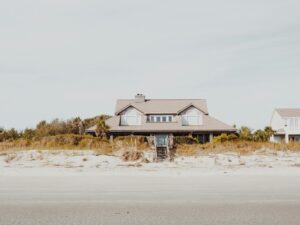
Vacation Property InsuranceOwning a secondary home or vacation property can be an incredibly fulfilling experience, offering you the opportunity to create lasting memories. However, it’s important to recognize that owning a vacation home comes with unique responsibilities and maintenance requirements. Whether you’re purchasing a lakeside cabin just a few miles away or an oceanfront condo in Hawaii that you’ll visit a couple of times a year, ensuring the proper protection of your property is crucial. If you decide to rent out the property, it introduces a whole new level of complexity to secondary home ownership, making it even more imperative to review your insurance coverage with a licensed agent.

When discussing vacation property insurance with your agent, consider the following points:

  • Separate Liability Policy: Will you need a separate insurance policy specifically tailored to cover the liability associated with your vacation property?
  • Adequate Liability Limits: Vacation homes are often vacant for extended periods, so it’s important to determine the appropriate liability limits for a property that remains unoccupied for a significant portion of the year.
  • Rental Property Considerations: If you plan to rent out your vacation home, it’s advisable to purchase additional liability coverage and consider obtaining an umbrella insurance policy for added protection.
  • Natural Disaster Coverage: Assess whether your vacation home is located in an area prone to natural disasters such as forest fires, hurricanes, floods, or earthquakes. In such cases, you might need separate additional policies to adequately cover these risks.

To minimize the risk of claims, follow these insurance tips:

  • Safeguard Valuables: Keep valuable items out of your vacation home, taking them with you when you leave the property.
  • Seek Neighbor’s Assistance: Request a trusted neighbor to keep an eye out for any unusual activity at your vacation home while you’re away.
  • Install Video Surveillance: Consider installing a video surveillance camera, such as a Canary or Ring, which can alert you via phone if someone enters your home. These cameras don’t require service contracts and provide an added layer of security.
  • Prevent Frozen Pipes: Set your heater to a minimum of 60 degrees Fahrenheit to prevent pipes from freezing during colder months.
  • Turn Off Water Supply: If you plan to be away from your vacation property for an extended period, take a few seconds to turn off the water supply, reducing the risk of water damage in your absence.
  • Engage a Management Company: If you intend to rent out your property, consider hiring a reputable management company. They can assist in overseeing the property and addressing any issues that may arise.
  • Address Liability Concerns: Conduct a thorough inspection of your vacation property for any potential liability hazards, such as rotten decking, trip hazards, or deferred maintenance, particularly if you plan to rent out the property.

We sincerely hope your secondary home or vacation property brings you countless years of cherished memories and relaxation. When you’re ready to insure your property, please don’t hesitate to give us a call. Our team is dedicated to helping you find the right insurance coverage to protect your investment.

Foodborne illnesses affect a significant number of Americans each year, with approximately 48 million people falling ill, according to the Centers for Disease Control and Prevention. These illnesses occur when we consume contaminated food or beverages. It is essential to understand how to prevent foodborne illnesses in our homes and adopt safe practices while grocery shopping.
When you’re at the grocery store, there are a few key points to keep in mind:

  • Always use plastic bags to separate raw meat, poultry, and seafood from other items in your shopping cart. This helps prevent the juices from these items from dripping onto other foods. If possible, place these items in a specific section of your cart, such as a bottom rack or front area.
  • Prior to purchasing, carefully inspect the packaging of canned goods. Avoid buying cans that are dented or bulging, as they may have lost their seal and could be contaminated. For other types of packaging, avoid products with torn edges, ice crystals, or signs of being opened.

When transporting your groceries home, it’s important to consider food safety

Be mindful of the time your groceries spend in your car. Experts recommend a two-hour window for transporting groceries between the store and your home. However, if the outdoor temperature is 90 degrees Fahrenheit or higher, this window shrinks to approximately one hour. It is preferable to store your groceries in an air-conditioned car rather than the trunk. For longer drives, bring a cooler to ensure the freshness of perishable items.

Once you’re at home, there are additional precautions to take:

  • Avoid leaving cooked food at room temperature for more than two hours. It’s best to refrigerate cooked and perishable foods promptly to prevent the growth of harmful bacteria.
  • Thoroughly wash your hands with soap for at least 20 seconds after handling raw meat. It is also advisable to sanitize kitchen surfaces before and after handling raw meat.
  • Use separate serving platters and kitchen utensils for raw and cooked food. Cross-contamination can occur if you place cooked meat on the same plate or use the same utensils that were in contact with raw meat.
  • Monitor the temperature of your refrigerator, ensuring it remains below 40°F. Bacteria can start to grow if the temperature rises above this threshold.

Understanding proper food handling practices is crucial for preventing foodborne illnesses. By following these guidelines, you can protect yourself, your loved ones, and friends from potential health risks. For more detailed information, you can visit the Centers for Disease Control and Prevention website.

If you have any questions regarding your insurance policies or any other concerns, feel free to reach out to us. We are here to assist you and provide the information you need to stay protected.

When to Add Your Teen Driver to Your Auto Insurance PolicyThe journey of your teenager learning to drive is an exciting milestone in their life. It represents newfound freedom and independence. However, along with the excitement comes a great deal of responsibility. It’s crucial to remind your teen that driving is a privilege, not a right, and that they must prioritize safety and remain focused while behind the wheel.
As a parent, it’s important to understand when to add your teen driver to your insurance policy. While the specific requirements may vary by state, in most cases, your auto insurance policy will cover your teen as a permitted driver until they obtain their driver’s license. However, once they receive their license, it’s essential to add them as a driver to your insurance policy, even if they don’t have their own vehicle.

Choosing not to add your teen driver to your policy not only violates the terms of your insurance agreement but can also result in a denied claim if they are involved in an accident. It’s important to proactively contact your insurance agent to discuss your options and determine the best time to add your teen driver to your policy.

Here are a few key considerations to keep in mind:

  • Good Student Discounts: Some insurance carriers offer discounts for students who maintain good grades. Encourage your teen to excel academically as it may lead to reduced insurance premiums.
  • Delivery Jobs: If your teen is employed in a job that involves delivery services, such as delivering pizzas or newspapers, it may require a special commercial policy. Discuss this with your insurance agent to ensure appropriate coverage.
  • Multi-Vehicle Discounts: Even if your rates increase due to adding your teen driver to your policy, having their own vehicle can potentially qualify you for a multi-vehicle discount, resulting in overall savings.
  • Higher Premiums for Separate Policies: Opting for a separate insurance policy for your teen driver will likely lead to higher premiums compared to adding them to your existing policy.

Ensuring the safety of your teen driver on the road is your top priority, and obtaining the right insurance coverage for your family is ours. If you have a teen driver in your household, we encourage you to reach out to our agency. We will be happy to discuss your specific situation and help you explore the insurance options that best suit your needs.

Vehicle theft is an unfortunate reality, with a vehicle being stolen every 44 seconds in the United States, according to the National Highway Traffic Safety Administration. It’s a distressing experience that can disrupt your life and leave you feeling violated. Fortunately, there are measures you can take to reduce the risk of your car being stolen. Here are five essential tips to help protect your vehicle:

  • Park in Well-Lit Areas: When parking at night, always choose well-lit areas. Thieves prefer dark environments where they can conceal their activities. Well-lit parking spots deter potential criminals and increase the chances of someone noticing any suspicious behavior.
  • Keep Valuables Out of Sight: A clutter-free car interior is not only more visually appealing but also deters thieves. Avoid leaving valuable items, such as purses, laptops, or smartphones, exposed in your vehicle. Instead, store them in the trunk or take them with you. This simple step can make your car less enticing to thieves.
  • Lock Your Doors and Windows: It may seem obvious, but always remember to lock your car doors and close your windows, even if you’re only stepping away for a short time. Many car thefts occur because owners inadvertently left their vehicles unlocked. Cultivate the habit of double-checking before leaving your car unattended.
  • Secure Spare Keys: Never store your spare key inside your car, especially in common hiding spots like under the car or in the wheel well. Experienced thieves know all the common hiding places and will search for spare keys. Keep your spare key in a secure location in your home instead.
  • Install an Anti-Theft Device: Invest in an anti-theft device or alarm system for added security. These devices act as a deterrent and can significantly reduce the risk of theft. Consider options such as car alarms, steering wheel locks (e.g., “The Club”), or GPS tracking systems. These measures make it more challenging for thieves to steal your vehicle.

While these precautions can help minimize the likelihood of car theft, it’s crucial to be prepared for the unexpected. Investing in comprehensive auto insurance coverage is essential. Comprehensive insurance protects you financially in the event of theft or damage to your vehicle. It covers the replacement value of your car if it is stolen and not recovered.

To ensure you have the right coverage, reach out to your insurance agency. They can review your policy and make sure it includes comprehensive coverage. Having the appropriate insurance safeguards your assets and provides peace of mind.

Remember, while you can’t completely eliminate the risk of car theft, implementing these preventive measures and having comprehensive insurance coverage in place significantly reduces the chances of falling victim to this unfortunate crime. Stay vigilant and protect your valuable asset.

Neighbors tree falls onto your yard Neighbors can be a great source of support and friendship, lending a helping hand when needed and creating a sense of community. However, living in close proximity to others can also give rise to uncomfortable situations, particularly when it comes to property damage caused by trees.

As winter transitions into spring, the mixture of high winds and wet soil can make trees vulnerable, increasing the risk of them toppling over. But who is responsible and which insurance company should be contacted when your tree damages your neighbor’s property? Let’s delve into the matter and shed some light on the subject.

In most cases, the answer is quite straightforward: the owner of the damaged property is responsible for repairing the damage, not the tree owner. Let’s consider a few specific scenarios to clarify the situation:

  • Your tree falls onto your neighbor’s house: In this case, your neighbor is responsible for mitigating the damages and should contact their own insurance company to handle the repairs.
  • Your neighbor’s tree falls on your car: If your neighbor’s tree damages your car, it is your responsibility to contact your insurance company for assistance in resolving the issue.

Proving negligence on the part of the tree owner is an exceedingly rare occurrence. Trees can die naturally while remaining structurally sound for many years. However, if you or your neighbor have concerns about a dead tree on the property, it is advisable to consult an arborist. If the tree in question belongs to your neighbor, have an open conversation about the potential risks it poses and the harm it could cause if it were to fall. By addressing the issue together, you may be able to find a resolution that alleviates the problem.

Remember, maintaining a good relationship with your neighbors is essential, even in challenging situations. Open communication and a willingness to address concerns can help foster understanding and prevent disputes from escalating. By being proactive and taking steps to address any potential risks associated with trees on your property or your neighbor’s property, you can work towards ensuring a safe and harmonious living environment for everyone.

In conclusion, when a tree causes damage to a neighbor’s property, the owner of the damaged property is generally responsible for repairs. By approaching these situations with a sense of responsibility and good communication, you can navigate potential conflicts and maintain a positive relationship with your neighbors.

Determining whether your bicycle is covered by your insurance depends on the type of policy you have and the coverage it offers.

Homeowner’s or renter’s insurance, auto insurance, specialized bicycle insurance, and other specific insurance options are worth exploring to safeguard your bicycle against theft, damage, and accidents. However, it’s crucial to carefully review the terms and conditions of your policy, understand the coverage limits, and fulfill any requirements to ensure you have the necessary protection for your valued mode of transportation.

Some insurance carriers have come out with specialized insurance policies just for electric bikes. Because Ebikes are typically more expensive than traditional bicycles, they warrant additional insurance protection.

The best way to avoid a loss of course is to avoid it being stolen altogether. Some safety tips for keeping your bike safe include:

  • Invest in a quality lock.
  • Secure both wheels and your frame.
  • Keep your bike in a highly visible area avoiding isolated or remote locations.
  • Don’t keep your bike out overnight.
  • Get an insurance policy
  • Register your bike with the National Bike Registry.

According to the National Bike Registry, 1.5 million bicycles are stolen each year. With college campuses being the biggest source of bicycle theft, it would be great if there was a way to protect your investment that was quick and easy. The good news is that more than 48% of bicycles that are stolen are recovered, but of those, only 5% are able to be identified and returned to their owners.

The National Bike Registry and 529 Garage have partnered to create a database to track and store bicycle VIN numbers. Not only can you register your bike, but you can search their database for recovered bicycles in an effort to get yours back.

Bicycle theft is a rampant problem in the US and unless you want to submit a homeowner claim (please talk to your licensed insurance agent prior) you likely won’t see you bicycle again or be able to recover your losses. Bicycles are likely covered under your home, renters or condo insurance policy with your insurance carrier.

Register your bicycle today and rest assured that your bicycle is better protected and more likely to be returned in the event of being stolen.

Contact an agent in our office to discuss insurance options for you bike. Typically all bicycles can be insured but with all insurance options, it is a cost benefit calculation.

Important Items to Store in Your Home SafeIf you haven’t already, now is the time to consider purchasing a home safe. Beyond protecting your valuables and family heirlooms from theft, a home safe also provides a secure place for important documents. It’s worth becomes immeasurable when unexpected events like home fires or burglaries occur. By keeping your documents and valuables safely stored, you can mitigate potential losses and maintain peace of mind. The benefits alone should be enough to motivate you to invest in a home safe.

When choosing a location for your home safe, there are a few factors to keep in mind. Select a safe that is heavy enough to deter burglars from easily walking away with it. Whenever possible, bolt the safe to the floor or install it securely into a wall. Unless you access it daily, consider storing it in a discreet location in your home.

Convenience is important to ensure you make regular use of it. Additionally, consider the size and weight of the safe. Heavier safes that require a hand truck to move should be placed on the ground floor, while those that can be carried by a couple of people can be positioned on the second floor. If fire protection is a priority, try to place your safe on a cement slab.

Now, let’s discuss twelve items that you should store in your home safe:

  • Passports, original birth certificates, marriage/divorce papers, and social security cards
  • Cash
  • Wills or other essential legal documents
  • Valuable watches or jewelry
  • SD cards, important computer backup discs, or other vital electronics that you don’t use regularly
  • Annual tax returns
  • Small firearms
  • Spare car keys and titles for all vehicles
  • Important papers related to bank accounts, retirement, or other investments

Investing in a home safe today can prevent future headaches and safeguard your most valuable possessions.

While owning a safe is crucial, it is equally important to have the right home insurance policy. For any insurance-related questions, don’t hesitate to reach out to the knowledgeable insurance agents at our agency. With our years of experience, we will assist you in finding the best coverage to suit your specific needs.