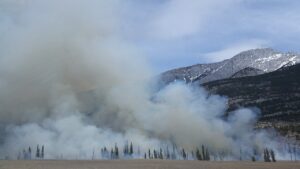
 With an increase in wildfires over the last few years, some insurance carriers around the country have needed to make adjustments to home insurance policies.
Here are two common scenarios we are seeing:
- Depending on the state you live in, there is limited or no home insurance coverage for homes located in high-risk areas.
- An increase in home insurance costs across the board for all home insurance policy holders throughout the United States.
When insurance carriers see a spike in insurance claims, they will raise their premiums regardless if you live in a high-risk area or not.
This is a big reason why you may have noticed an increase in your home insurance premium at renewal. Unfortunately, this is out of our control since only insurance carriers can determine the rate of home insurance.
For homes that are located in high-risk areas, we understand your frustration with insurance coverage. Some states are offering special insurance coverage for homes located in high-risk areas.
Contact our agency if you fall into this category and we will see what coverage is offered in your area. Our agency represents several top insurance carriers. With a quick phone call, we can shop all our home insurance carriers at once to see if we can find you the right coverage for your needs.
Wildfires occur in every state throughout the United States and it is important to know what to do if one breaks out near your home.
Steps to Take if a Wildfire Threatens Your Home:
1.) Stay up-to-date on evacuation info & remain calm. Stay inside and turn on a portable air filter inside your home. HEPA-filtered air cleaners are best.
2.) Pack your car with emergency supplies in the event you need to leave – include emergency supplies & valuables from your home.
3.) Put on protective clothing to protect your body, face and lungs. Be sure to have a respirator or good mask to reduce your smoke exposure when outside. N95 masks or P100 respirators are ideal. Make sure it is snug to your face. It should have two straps to go around your head to ensure it is tight.
4.) Keep your loved ones updated on where you are going if you decide to evacuate.
Steps to Take if You Are in a Low Risk Area, But Air Quality is Poor
1.) You can check the air quality in your area by checking AirNow.Gov. This will give you a good indication if it is safe to be outside.
2.) If air quality is poor, stay inside. If you absolutely have to be outside, wear a N95 mask or P100 respirator. Limit your time outdoors, even with your mask on.
Please enjoy your summer responsibly. If you have questions about your home insurance coverage when it comes to wildfires give us a call. We’re here to help.
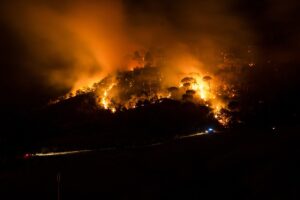 It is that time of year when we like to remind you of the importance of wildfire prevention. Preventing a wildfire requires a collective effort and best practices need to be utilized to lower our risk.
