
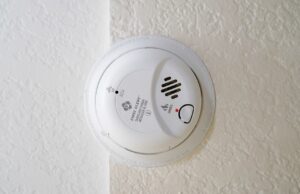
 Our homes serve as sanctuaries, providing us with comfort, relaxation, and a treasure trove of cherished memories. Given the significance of our homes, it becomes imperative to protect them from a range of potential dangers, including fires, theft, and an often underestimated threat: carbon monoxide (CO).
Carbon monoxide is an insidious gas that lacks odor and color. It is produced when fuels like wood, oil, natural gas, and propane are not burned efficiently. Common household equipment, such as generators, lawnmowers, barbecues, and furnaces, can be sources of carbon monoxide emissions.
Startling statistics from the Consumer Product Safety Commission reveal that each year, carbon monoxide poisoning claims the lives of 170 people in the United States alone. Such fatalities occur due to equipment malfunctions or when these products are used in inadequately ventilated spaces, such as enclosed rooms.
Recognizing the symptoms of carbon monoxide poisoning, as listed by the Centers for Disease Control, is crucial. They include headaches, dizziness, vomiting, chest pain, and confusion. Prompt action is necessary to prevent further harm.
The encouraging news is that safeguarding your family against carbon monoxide poisoning is relatively straightforward. By following these essential tips, you can significantly reduce the risk:
Regularly have your gas-burning furnace, water heater, and fireplace professionally serviced. An expert will ensure that these appliances are functioning correctly and are adequately vented.
Install carbon monoxide detectors on every floor of your home. If you reside in a newly constructed house, apartment, or condominium, these detectors are likely already in place. For an added layer of protection, consider placing a CO alarm in each bedroom.
Never leave a car idling in a garage, as this can lead to a dangerous buildup of carbon monoxide.
Keep portable generators at least 20 feet away from any open windows to prevent fumes from seeping indoors.
Never utilize a charcoal barbecue inside a home, tent, or camper. Always ensure proper ventilation when using such equipment.
Under no circumstances should you employ a gas oven to heat your home. This can generate copious amounts of carbon monoxide and pose a severe risk.
The installation of even a single carbon monoxide detector can potentially save lives. If you are renting a home or apartment lacking such a detector, kindly request your landlord to provide one. Many states mandate the installation of carbon monoxide detectors in residential properties, recognizing their life-saving potential.
By prioritizing carbon monoxide poisoning prevention measures, you are taking a vital step towards safeguarding your family and ensuring the continued sanctity of your home.
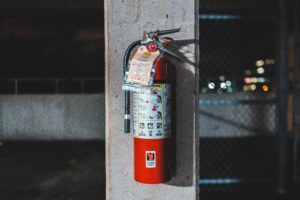 Your home is not just a structure; it is a sanctuary where memories are made, families are raised, and friends are welcomed. Ensuring the safety of everyone who enters your home should always be a top priority. One crucial element of home safety is having a fire extinguisher readily available in case of emergencies. However, simply owning a fire extinguisher is not enough. It is vital to regularly inspect and maintain it to ensure its effectiveness during a fire. By following these tips, you will be well-prepared and equipped to handle a fire emergency.
