Auto and Home Insurance Discounts in Indianapolis, IndianaHere are some updates on insurance or common questions we hear from customers.

Do I Need to Purchase Insurance When Renting a Car?

If you are planning on taking a trip this spring break, you may be renting a car. At the time of checking in or even during the process of getting a rental car reservation, every rental car company will ask if you want to purchase insurance.

Your personal auto insurance policy does provide you with coverage for a rental car, but it is always important to understand what your personal auto insurance policy covers. Even if you have full auto insurance coverage, your rental car is still not 100% covered.

If you get into a car accident in your rental car and the car needs to be repaired, the rental car agency will charge you for downtime since they cannot rent the car out again until it is fixed. It is also possible that the rental agency may claim diminished value if you damage the car. Purchasing this specific coverage from the rental agency would help cover the cost of these claims.

How Inflation is Impacting Insurance Policy Premiums

You may have noticed your home or auto insurance policy increased at renewal, but you didn’t have any tickets or claims. Inflation has caused rates to increase across the country. Not only are insurance carriers receiving more insurance claims than before, but it is also costing insurance carriers more with settling claims.

Anytime insurance carriers see an increase in claims, they will raise their premiums to all customers.

Inflation is also impacting your insurance coverage. For instance, if you have a homeowners loss, the cost to repair your home has increased substantially since inflation began. The cost of materials and labor is up.

If your insurance policy has increased significantly, reach out to us. We can re-quote you with other insurance carriers we represent to see if we can find you a more affordable policy.

Best insurance discounts

One of the best insurance discounts you can receive is bundling your auto and home/renters insurance together with the same insurance carrier. Paying your insurance policy in full or participating in a driver’s safety course/telematics program through your insurance carrier also provides you with additional discounts.

If you are looking for additional discounts, reach out to our agency.

Update Your Insurance Policy Every Few Years

Since inflation has increased, it may be time to review your current home insurance policy, specifically your replacement cost. If your home has increased in value over the past few years or if you have done major renovations that improved your home value, it is important your home insurance policy reflects those changes.

If your home value increased, but you didn’t make any changes to your policy & had to settle a claim, it is possible your home has become underinsured.

If you have expensive jewelry insured, it is advised to get it appraised every few years to ensure it is properly insured. If it has, be sure to let us know of the new value.

Insurance Coverage for Boats, RVs, ATVs, Motorcycles and more.

It’s that time of year when we start thinking about our powersport vehicles. Whether you are shopping for a new toy or need to review your current existing policy, our agents are here to help. We can explain your coverage options or provide you with a new insurance quote.
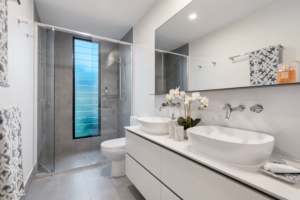
Does Home Insurance Cover Mold Issues - Indianapolis, IndianaWhen we think of an issue that may arise by being a homeowner, many people wonder if their problem can be covered by insurance.
My House Has a Mold Issue, Am I Covered?

If your home develops a mold issue, is it covered by insurance? The easiest answer is most likely no. Most mold issues do not occur overnight and this is the main reason why it is not covered by insurance. Insurance carriers tend to see mold as a sign of neglect. This could occur if you have a leaking pipe or if a window isn’t sealed properly, which eventually leads to mold growth.

Some home insurance policies may name mold as a covered peril so it is important to review your coverage details or discuss coverage with your insurance agent. There also may be a few scenarios where you may be covered if your mold issue developed quickly. This could occur if you experienced water damage from a burst pipe or appliance.

Homeowners never want to deal with a mold problem and many times it can be prevented.

Tips to Avoid Mold Issues

  • If you are shopping for a home, you may want to pay for a mold inspection before you move in. Sometimes mold can be hard to detect if it is hidden inside the walls of your home or underneath your carpet.
  • Check your gutters to ensure they are free of debris. Clogged gutters can also cause more problems than just mold growth.
  • When it is a nice day, open up your windows to allow fresh air to circulate. This could decrease moisture inside your home.
  • Be aware of any leak inside your home and fix it immediately. Be sure to check your roof, as this is another common place to develop leaks.
  • Do you ever notice any condensation on your walls or windows?
  • Do you smell anything musty inside your home? This is the common scent of mold growth and it may be time to hire a professional to inspect your home.
  • Perform yearly maintenance on any appliance that uses water.
  • If you see any mold growth in your home, be sure to clean it with soap & water or a cleaner. Mold can form in many places such as your shower, toilet, sinks, inside your refrigerator, under your kitchen sink, inside your trash can, microwave, stove, window sills, mattress, vents, etc.
  • Purchase a dehumidifier and keep it on low levels in your home.
  • Always run your fan when taking a hot shower. Mold loves moisture.

We hope you never experience a mold issue, as this can cause damage to your home and your health. Preventative action is the best way to reduce your risk. If you have questions about your current home insurance policy, call our agency.

Insurance Options for Leased or Financed Vehicles in Indianapolis, INYou have many coverage options when it comes to purchasing auto insurance. Some people choose to have the state minimum requirements, while others want more coverage protection.
If you are looking to lease or finance your next vehicle, it is important to understand what you most likely will need.

State minimum requirements include two coverages:

Bodily injury & property damage: this coverage only protects others if you are involved in an at-fault accident. This coverage will pay for damage you caused to a person’s property & if your at-fault accident caused an injury to anyone outside your vehicle and often a passenger in your vehicle.

Bodily injury & property damage coverage does not provide any coverage for your injuries or damages caused to your vehicle. State minimum requirements vary by state so depending on where you live, additional coverage may be required besides just bodily injury & property damage.

If you are leasing or financing a vehicle, you most likely will be required to carry more than just state minimum requirements on your auto insurance policy.

If you currently have state minimum requirements on your auto insurance policy but want to lease or finance a vehicle, your auto insurance premium will typically increase in cost since you need to purchase more coverage.

Additional auto insurance coverage that tends to be required when you lease or finance a vehicle:

Comprehensive coverage: this coverage can help pay to repair or replace your vehicle if it is vandalized, or damaged from a fire, wind, fallen tree, flood, lightning, or other covered weather-related incidents. It can also pay for damages caused by hitting an animal or if your car is stolen.

Collision coverage: If you cause an at-fault accident where your vehicle is damaged, this coverage can help pay for repairs or the replacement of your vehicle should it be deemed a total loss. This could include colliding with another vehicle, a guardrail, or fence.

Depending on who you lease or finance your vehicle through, you may have specific policy limit requirements you need to purchase. For example, bodily injury limits may need to be $100,000/person and $300,000/accident. To make things easier for you, ask your lease or finance company what liability limits you need to purchase. This will allow an insurance agent to provide you with the most accurate auto insurance quote.

Other coverages we recommend:

There are additional coverages that can help protect you if you get into an accident. Uninsured motorist coverage, medical payments, personal injury protection, and more. If you call us for a quote, we will explain all of your options.

Call Our Agency When it’s Time to Shop for Auto Insurance

A local insurance agent is one of the best ways to find affordable auto insurance. Especially if you currently have state minimum auto insurance, we will shop all of our insurance carriers to find the best rate.

We also have access to car insurance discounts, which will help lower your monthly or yearly premium. Call, email, or fill out a quote form on our website to get a free auto insurance quote.

Prepping your home in the event you lose power or a natural disaster strikes - Indianapolis, IndianaWe all know the importance of being prepared, but what percentage of us actually do the prep work? A good way to ask yourself if you are prepared is to assess what you have on hand now. If a disaster struck today or if you lost power for several hours to days, would you be prepared? If the answer is no, use this list to start preparing yourself this week. January can be a great time of year to start a new habit!

Checklist for home –

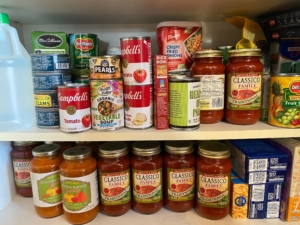
  • Non-perishable food: canned goods, noodles, bars, cereal, dried fruit, nut butter, crackers and other items with a longer shelf life are important to have on hand. If you currently use an electronic can opener, be sure to have a manual can opener too. You should have enough food supply for several days. Check on your inventory every six months. Also, make sure everything you have for an emergency your family will eat.
  • Water: Water isn’t just essential for drinking, but can be used for brushing your teeth, cooking food, and washing your hands. Keep one gallon of water on hand per person minimum. A several-day supply is even better.
  • Flashlights: when your power is out, flashlights are essential. Be sure to have a few on hand. A variety of flashlights are handy – traditional and lantern style. Be sure to have extra batteries stored away too.
  • First Aid Kit: you can get a variety of sizes and features with many first aid kits. Even without planning for a power outage or natural disaster, this is a good one to have in your home or car.
  • Battery-powered generators or gas generators: An ideal item to have for a natural disaster is a power generator. This allows you to run lights, refrigerators and change your cell phones. This technology has come a long way recently so be sure to look at the options available and get one with enough power to suit your needs.
  • Bonus items: filtered masks to protect you from contaminated air and an emergency whistle.

Your home should require more emergency items on hand. It is important to keep your vehicle stocked with essentials in the event you get into a car accident, experience a flat tire or your car breaks down, as well as items for cold weather.

Checklist for your vehicle –

  • Reflective triangle
  • Flashlight
  • Ice Scraper
  • Cell Phone Charger
  • Blanket
  • Bonus: jumper cables & first aid kit

All of these items can prepare you if you have a flat tire, need roadside assistance, and aid with bad weather.

While we hope you never have to experience a natural disaster or accident, we hope you are always prepared. If you have questions about your home or auto insurance, call our agency. We can review your coverage to ensure you have the protection you need.